Author: Carly Rahl

NY Botanical Gardens Trip

Join Bergen County Camera for a bus excursion from our store in Westwood to the NY Botanical Gardens on May 20th.
Customer Spotlight – Leo Collins
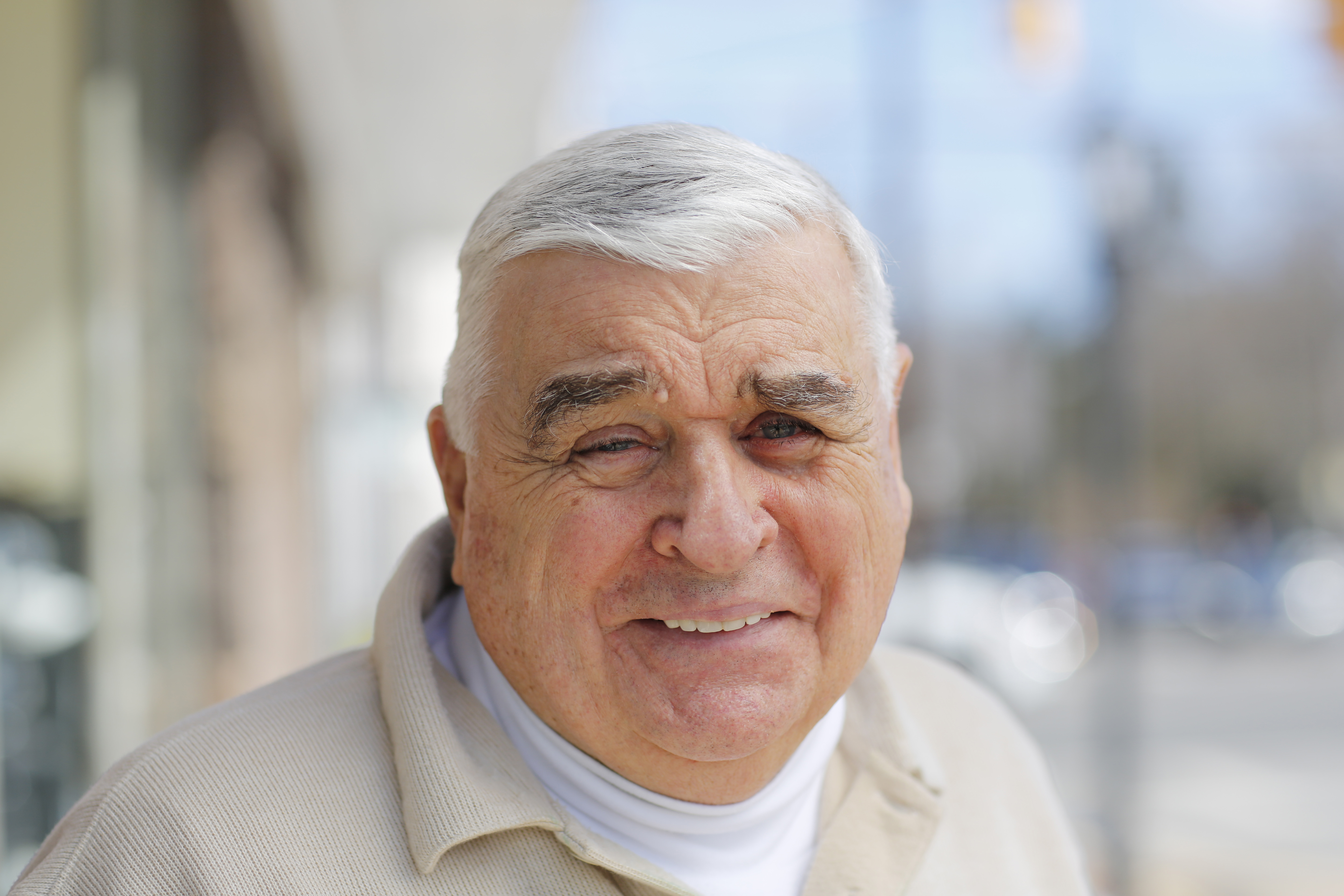
Welcome to our twelfth Bergen County Camera Customer Spotlight. This monthly posting features a customer who’s made an impression on us. They might have grown in their understanding of photography, gained a mastery of the craft and / or have become a strong advocate of our way of doing business in the world of photography. During the next month you will see this customer’s images displayed on our digital signs in store, in our emails, blog posts and social media.
Leo Collins is our customer spotlight for the month of March – April. We hope you both enjoy and are inspired by this new addition to In Focus and look forward to your comments and suggestions. Below you will find a word from Leo, followed by some of his images in the gallery below.
Leo F. Collins, a River Edge resident, has held senior executive corporate positions at leading Aerospace and Technology firms for over 50 years.
He now consults to technology start up firms throughout the tri-state area. He serves on the Technology Advisory Board of the New Jersey Economic Development Agency and is active in many different roles as an alumnus at Stevens Institute of Technology.
Photography has always been a passion for Leo starting with his help in forming a Photography Club in high school. The passion has provided him with the opportunity to capture extraordinary images in many different settings from living and extensive travel all over the world. An important role in recent years is photographing the Bergen County Police Pipes and Drums. Also, a major part of his work involves photographing the gardens in Vermont developed by his good friend Dr. Robert Forte and FDU basketball .
A major stimulus for Leo has been the guidance, encouragement and support provided by Bergen County Camera in Westwood. Paul Carretta, Bob and Tom Gramegna and staff have embedded in Leo a love of photography that encourages him to take on new and important challenges all designed to make you a better photographer. – Bergen Camera creates opportunity to improve your skills- and Leo is very thankful the interaction with Bergen Camera has become an important part of his life with new friendships and providing increased confidence that you have the Bergen team with you as you face new photographic adventures. The support, encouragement and friendship provided by the Bergen County Camera organization is of immeasurable value and never to be forgotten.
I am very thankful of having Bergen Camera a part of my life and for this recognition . I certainly am striving to be a better photographer and still have a long way to go but have with the BCC association the support and assurance to achieve that goal.
I tell my stories in photography- In doing so I fulfilled one of my important dreams. I have much to be thankful for.
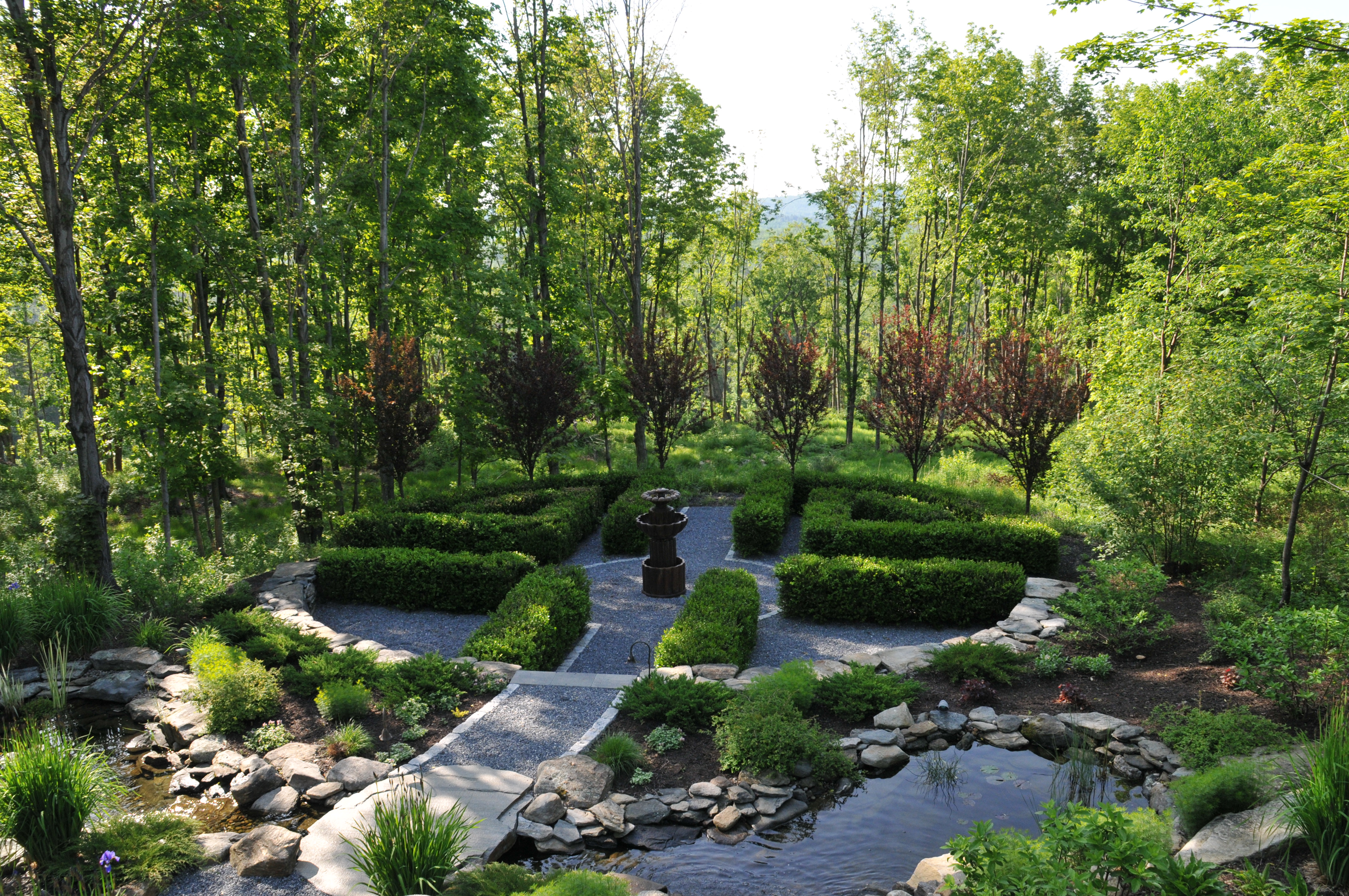
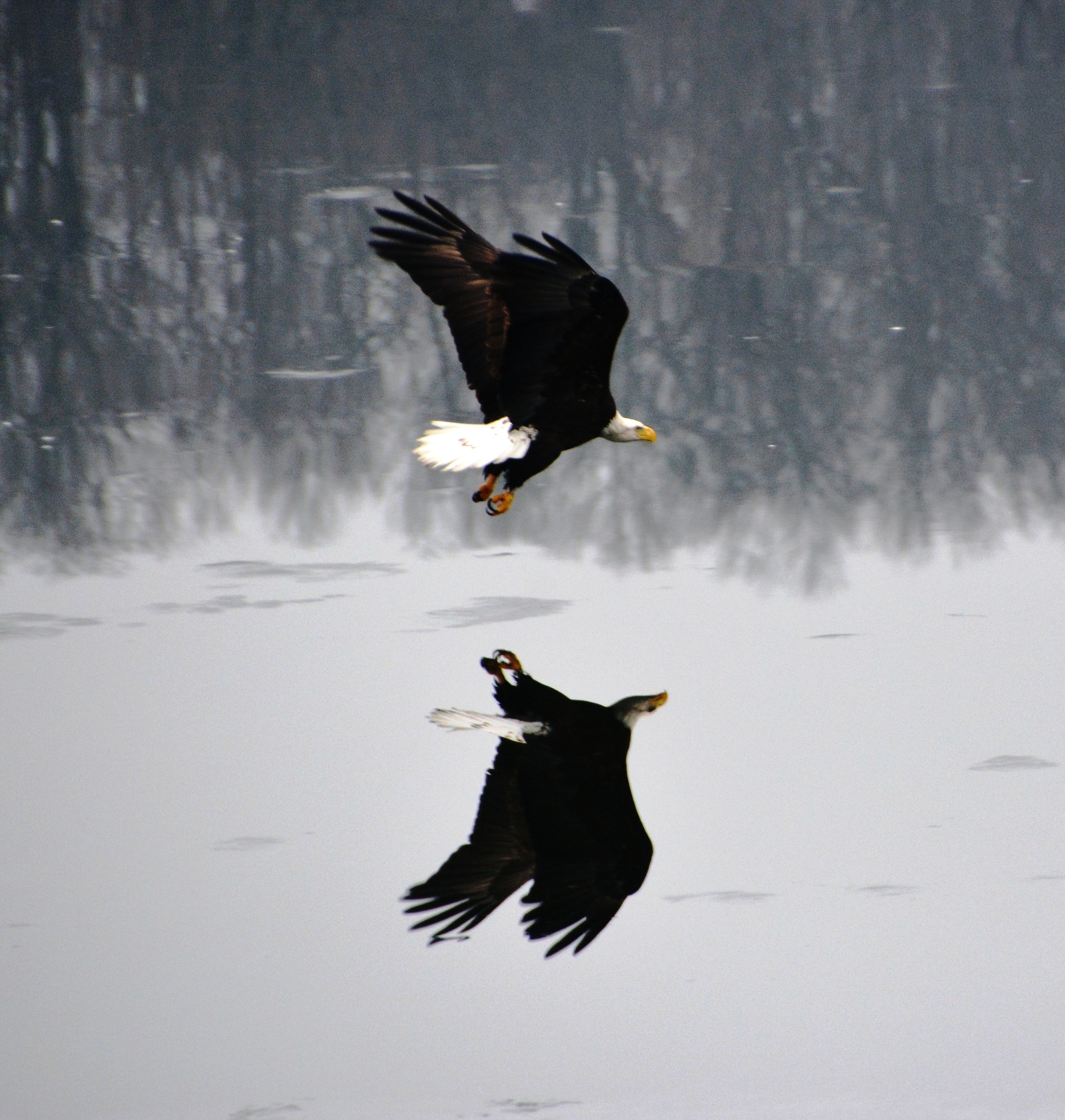
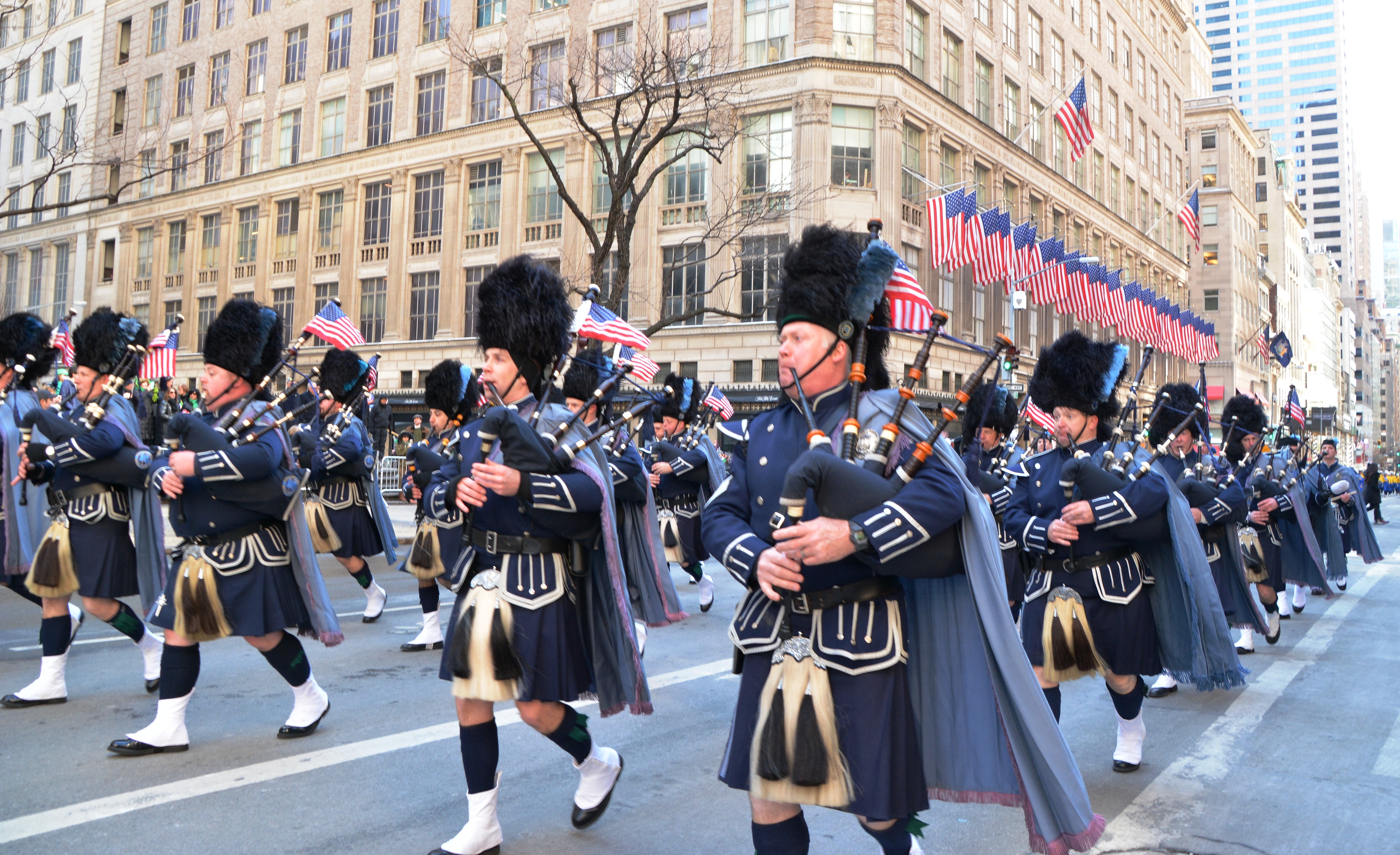

I thought it would be interesting, to tell a brief story through my photography related to the tragic day of September 11th, 2001.
The photos displayed were taken from the New York Waterway’s vessel, Yankee Clipper in the company of my daughter, Lisa O’Keefe and grand daughter Katharine O’Keefe, en-route to a New York Yankees Game .
It was a beautiful Friday evening in September, and I was enjoying the joy of being with family while taking in the beautiful view of our national treasures here in our magnificent city. I was fortunate to capture some great photos of the World Trade Center and sailboats on the Hudson.
I took many photos that evening, but one sailboat grabbed my attention, and I took a photo of it with the Towers in the background. I noticed the USCG sailboat number and able to trace its ownership, I found out it was a retired U.S. Navy racer named Grilla.
I shared the photo with its owner, as it was a photo taken on the Friday evening of September 7th, 2001, four days before our peace and joy
were shattered, to never be the same again.
And now rising majestically is the Freedom Tower in honor of those lost that faithful day and displayed here in a photograph taken on a quiet Sunday morning in the spring from the grounds of Castle Point at Stevens Institute of Technology.
Views that will never grow old and stay in our memories forever.
Leo F. Collins February , 2018


A Sense of Scales (Story Contributed by Tamron)
David Guy Maynard gets up close with Florida’s lizard population with the Tamron SP 150-600mm VC G2 lens.

Free Saturday Focus Sessions – April Schedule
Focus sessions are Free and take place in our store from 9:30 am – 10:15 am. Focus Sessions are mini classes and discussions and classes about photography. All sessions will allow for questions and answers. Please bring your camera and any images along that you have questions about. Please share your thoughts for future focus sessions in the comment box below.
No RSVP necessary – Free for everyone – Please bring a friend!

Hit the “Like Button” to let your friends know. Have suggestions for future focus sessions? Feel free to leave a comment.
Here’s our upcoming Focus Sessions:
March 24th – Studio Light Modifiers with Steve Burns
Reflectors – Softboxes and more
March 31st – New Photo Assignment
April 7th – Tripod Usage
April 14th – What’s In My Camera Bag (& What Should Be in Yours?)
April 21st – Photo Assignment Review
April 28th – Dr. Daniel Spitzer Presents “Time and Motion”
These are free events – bring a friend along if you’d like.
Share with your friends on Facebook – Click the Like button below.
Hope you can join us!

An Eye on Architecture (Story by Tamron)
Derek Rath captures the form and function of Southern California landmarks with the Tamron SP 15-30mm F/2.8 VC Wide-Angle lens
Story Contributed by Tamron
When he was growing up as a boy in England, Derek Rath learned the ins and out of three-dimensional drawing from his father, a civil engineer. “He was in charge of housing and streets and all kinds of related things, and he showed me how to work up 3D plans,” Derek says. “It fascinated me even back then.”
Derek eventually made his way to the US to produce a music album, and he soon settled down in Southern California, which he has called home for more than three decades. It’s proven the ideal locale for a person who has since parlayed his childhood interest in the lines and forms of civil engineering into a career as one of the region’s top architectural photographers. “Southern California is such an interesting place for architecture, because you can find 20 different styles along just one block,” he says. “Builders aren’t afraid to do things here and take chances.”
For architectural photographers, a wide-angle lens that allows for work in tight spaces is a must. Derek recently started shooting with the Tamron SP 15-30mm F/2.8 VC Wide-Angle lens, and he’s been impressed with the results. “First, I can handhold at shutter speeds I never thought possible,” he says. “And of course I appreciate the extra reach on the 15mm end that allows me to capture photos in spaces I wasn’t able to before. Plus, its sharpness is stellar. On many wide-angle lenses, the sharpness tends to drop off in the corners, but that’s not a problem with this lens.”
Derek’s approach when he’s capturing local architecture involves putting the building or structure in context with its surroundings, depending on what he’s been commissioned to turn in. “That comes down to finding an angle, something that illustrates a strength of concept of the design,” he explains. “Other times, I may be looking at textures or how a particular aspect of the building works in relation to the rest of it, or how the entire building works in context with its environment. It very often doesn’t unfold until you’re actually looking at the scene in front of you. And I like to shoot in natural light, or use available light that’s been incorporated into the design of the building.”
One thing Derek does when on a shoot with a client: Bring his laptop. “If they see my images right out of the camera, they may get upset because they’re not seeing what they expect to see,” he says. “And that initial photo is not what I’m going to give them in the end. Ansel Adams is very famous for his prints, not his negatives—he made his magic in the darkroom by pulling all the information out of the negative. Digital is the same for me. I take the photo, then finagle the information, then present the final result to my clients.”
A recent test-drive with the 15-30 allowed Derek to try it out on some of his favorite LA haunts. For a photo inside one of the city’s most prominent government buildings, Derek was faced with less-than-ideal lighting. “It was almost dungeon dark, as this was fairly early in the morning,” he says. “I was on the third floor of the rotunda, the most elaborately designed of all of the floors. It’s a wonderful period piece of architecture. My goal was to focus on the filigree of the light and show how the light fell so beautifully down onto the Los Angeles plaque below.”
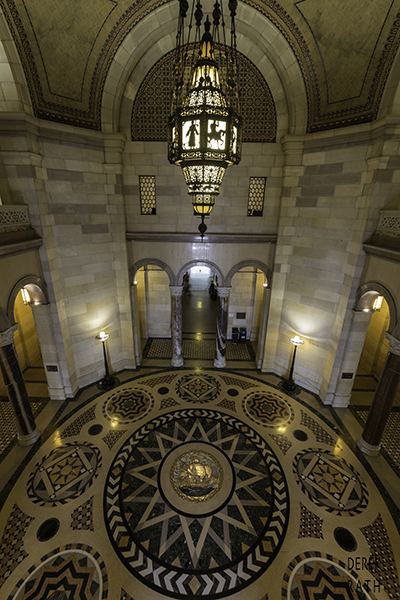
15mm, F/9, 0.4 sec., ISO 640
Free Saturday Focus Sessions – March Schedule
Focus sessions are Free and take place in our store from 9:30 am – 10:15 am. Focus Sessions are mini classes and discussions and classes about photography. All sessions will allow for questions and answers. Please bring your camera and any images along that you have questions about. Please share your thoughts for future focus sessions in the comment box below.
No RSVP necessary – Free for everyone – Please bring a friend!
Hit the “Like Button” to let your friends know. Have suggestions for future focus sessions? Feel free to leave a comment.
Here’s our upcoming Focus Sessions:
March 3rd – Indoor Sports with Paul and John
March 10th – Parade Photography
March 17th – Shooting Beer
March 24th – TBA
These are free events – bring a friend along if you’d like.
Share with your friends on Facebook – Click the Like button below.
Hope you can join us!
Press Release: Tamron’s New 28-75mm Lens
Tamron announces the development of a high-speed standard zoom lens for Sony full-frame mirrorless cameras
28-75mm F/2.8 Di III RXD (Model A036)
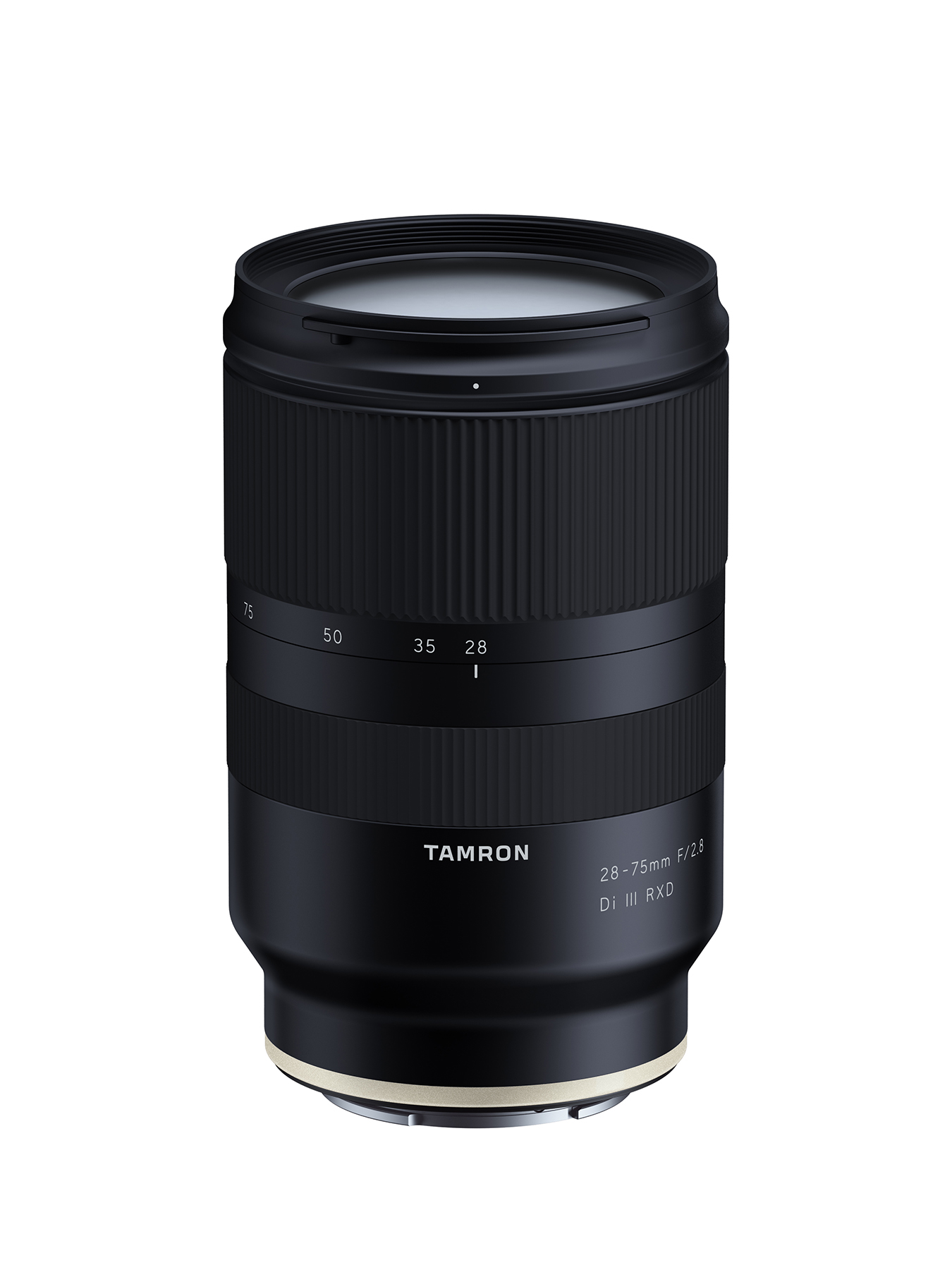
February 22, 2018, Commack, New York – Tamron announces the development of a new high-speed standard zoom lens for Sony full-frame mirrorless cameras, the 28-75mm F/2.8 Di III RXD (Model A036). This signals Tamron’s plans to further expand and improve its lens lineup for full-frame mirrorless cameras, in addition to its lenses for DSLR and other mirrorless camera formats.
Model A036 delivers superb optical performance, including both outstanding image quality and beautiful background blur effects (bokeh). Photographers may enjoy dynamic wide-angle expressions like never before thanks to a minimum object distance of 7.5 in at the wideangle zoom setting. Usefulness and versatility are enhanced by its compact size and light weight, measuring only 4.6 in and weighing 19.4 oz. Model A036 incorporates an all-new high-speed and precise AF driving system. The RXD (Rapid eXtra-silent stepping Drive) stepping motor unit operates with remarkable quietness, making it perfect for video use. The lens also features Moisture-Resistant Construction that is helpful in outdoor photography, plus hydrophobic Fluorine Coating that is highly resistant to fingerprints and debris. In addition, A036 is compatible with the “Direct Manual Focus (DMF)” system feature of Sony cameras, enabling this new zoom to take full advantage of the advanced functions that ensure comfortable user experiences.
PRODUCT HIGHLIGHTS
- Superb optical performance, including both outstanding image quality and beautiful background blur effects (bokeh), provided by fast F/2.8 aperture.
- Comfortably light weight (19.4 oz.) and compact (4.6 in).
- Close-focusing; Minimum Object Distance: 7.5 in at wide-angle setting and 15.3 in at the telephoto position.
- All-new “RXD” stepping motor AF unit is extremely quiet and therefore perfect for video capture.
- Exciting next-generation design keeping the brand consistency that is ergonomically superb.
- Moisture-Resistant Construction and Fluorine Coating for weather protection.
- Compatible with the “Direct Manual Focus (DMF)” feature that enables Sony cameras to instantly switch between autofocus and manual focus.
* Specifications, appearance, functionality, etc. are subject to change without prior notice.
Canon Instant Savings: February 2018


Introducing the New Panasonic GX9 – Press Release
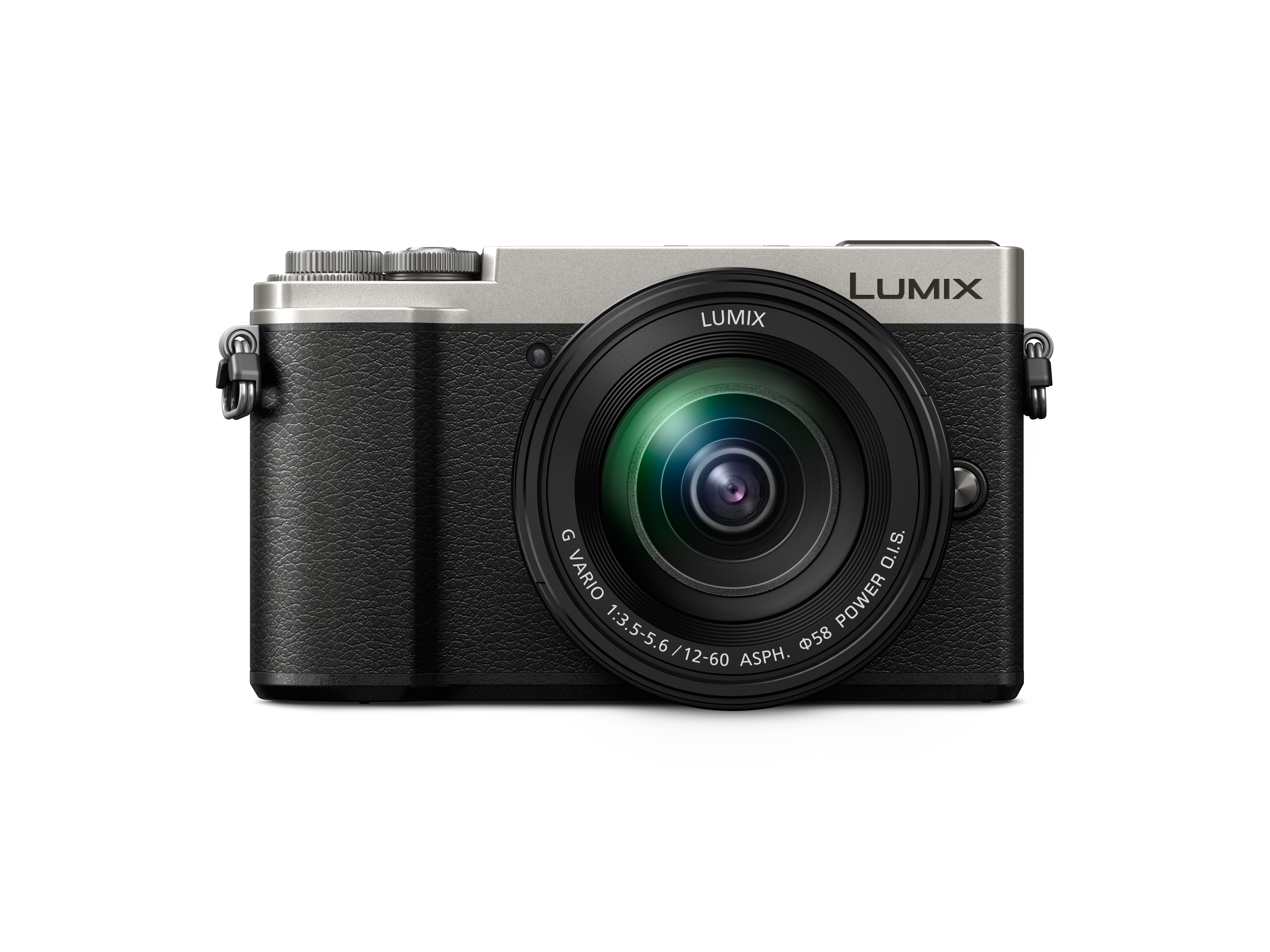
Panasonic is proud to introduce the LUMIX GX9, a sleek, compact new Digital Single Lens Mirrorless camera for everyone who wants to shoot vibrant, true-to-life, high quality images in their own creative way with excellent resolution, high contrast and impressive color reproduction.

The LUMIX GX9’s 20.3-megapixel Digital Live MOS Sensor without a low-pass filter and Venus Engine combine to drive maximum lens performance while rendering natural, high-precision images. The L.Monochrome D mode is newly added to Photo Style, making it easy to shoot detailed dynamic monochrome photos with emphasized highlights and shadows. Plus, Grain Effect can also be adjusted in all monochrome modes with Photo Style.
A 5-axis Dual I.S. (Image Stabilizer) in the LUMIX GX9 effectively suppresses blur. Combining an O.I.S. (Optical Image Stabilizer, 2-axis) and a B.I.S. (Body Image Stabilizer, 5-axis), the Dual I.S. compensates for a wider range of movement to enable blur-free photo/video shooting from wide to tele, even in low-light conditions.
A new wide screen LVF (Live View Finder) in the LUMIX GX9 tilts up approx. 90 degrees. With its high, approx. 2760k-dot equivalent, resolution and 100% color reproduction, this 16:9 LVF provides approx. 1.39x / 0.7x (35mm camera equivalent.) magnification and 100% field of view. Plus, the camera’s large 3.0-in., approx. 1240k-dot high resolution static-type touch monitor provides nearly 100% of field of view tilts upapprox. 80 degrees and down 45-degrees to enable shooting in high or low angle even easier.
The Contrast AF System in the LUMIX GX9 features DFD (Depth From Defocus) technology and excels in both speed and accuracy by exchanging digital signals between the camera and the lens at max. 240 fps*1, for ultra-fast auto focusing in approx. 0.07 sec*2. A range of extensive AF functions include Face/Eye Detection AF, Pinpoint AF, One-shot AF and advanced Low Light AF to enhance usability to comply with various shooting situations. Live View Boost makes it possible to check composition even in total darkness by boosting sensitivity just for live view.
The LUMIX GX9 records smooth, high-resolution 4K video in 3840×2160 at 30p or 24p in MP4. 4K PHOTO is easier to use in more creative ways with Auto Marking and Sequence Composition, two new additions to Post Focus, Focus Stacking, Light Composition and 4K Live Cropping.
*1 Contrast AF with DFD Technology works only with Panasonic Micro Four Thirds lenses.
*2 In AFS, at wide-end with H-FS14140 (CIPA).
Ultra HD 4K video and 4K PHOTO
With a high-speed sensor signal readout and engine processor, the LUMIX GX9 records smooth, high-resolution 4K videos in 3840×2160 resolution at 30p or 24p in addition to the Full-HD 1,920×1,080 60p videos with practical full-time AF. With this technology, LUMIX 4K PHOTO lets users capture perfect moments by extracting single frames from 4K burst files shot at 30 fps to save as 8-megapixel equivalent photos.
Choosing the best shots out of hundreds of 4K video frames is now easier with a newly added Auto Marking function. Auto Marking identifies the frame most different from others in the file to help minimize the time it takes to choose the best individual shot. A Sequence Composition function creates a stromotion image in-camera by synthesizing multiple images shot at fixed frame to produce a unique image of a subject’s motion without special retouching.
The LUMIX GX9 also includes Post Focus, a function selects an in-focus area even after shooting. Post Focus is helpful in situations such as macro shooting where strict focusing is required or for changing expressions by changing the focused subject. This capability combines high-speed, high-precision DFD (Depth From Defocus) auto focus technology and 4K technology. A Focus Stacking function adjusts depth of field after shooting by combining multiple images shot with Post Focus in the camera. Now users don’t need to focus strictly while shooting because they can create images with the defocus level they want or pan-focus simply by selecting the focus area after shooting — beneficial when shooting macro images of insects, small accessories and so on.
LUMIX GX9 also incorporates a Light Composition function, a new 4K PHOTO option. The camera synthesizes images by choosing and saving a brighter pixel to easily produce more dramatic images of fireworks or night scenery in-camera. What’s more, the LUMIX GX9 also enables 4K Live Cropping in video recording to realize stable panning or zooming. In panning shots, users just set the viewing angle to begin and end with for smooth panning imagery without using special equipment like a slider. And in zooming, users can set the after-zoomed viewing angle firs to ensure the subject is perfectly in the frame. The imagery of zooming is smooth because it does not move the zoom lens physically.
The LUMIX GX9 includes Bluetooth and Wi-Fi® connectivity for a more flexible shooting experience and instant image sharing with easy operation. Compatibility with Bluetooth 4.2 (Bluetooth Low Energy) enables consistent connection with a smartphone or tablet with minimum power consumption.
About motion picture recording / 4K Photo recording
- – Use a card with SD Speed Class with “Class 4” or higher when recording motion pictures.
- – Use a card with SD Speed Class with “UHS-I UHS Speed Class 3 (U3)” when recording motion pictures with [MP4] in [4K] or [4K PHOTO].
- (SD speed class is the speed standard regarding continuous writing.)
- – MP4 motion pictures with [MP4] in [FHD/30p] [FHD] [HD]: You can continue recording without interruption even if the file size exceeds 4 GB or 30 minutes in length, but the motion picture file will be divided and recorded/played back separately.
- – MP4 motion pictures with [MP4] in [4K]:
- – When using an SDHC memory card: You can continue recording without interruption even if the file size exceeds 4 GB, but the motion picture file will be divided and recorded/played back separately.
- – When using an SDXC memory card: You can record a motion picture in a single file.
- – When the ambient temperature is high or continuous recording is performed, the camera may stop the recording to protect itself. Wait until the camera cools down.
For [4K] video output, use an HDMI cable that has the HDMI logo on it, and that is described as “4K compatible.”