4th of July: Alan’s Guide to Photographing Fireworks – It is that time of year again – everyone is getting ready for 4th of July celebrations, and that includes fireworks! For many, viewing fireworks is a regular summer tradition. With a few helpful tips, you can be on your way to having a great time photographing fireworks this summer season. Continue reading below for Alan’s Guide to Fireworks Photography!
Read moreBetter Pictures
4th of July: Where to See Fireworks in Bergen County

4th of July: Where to See Fireworks in Bergen County – It is that time of year again – everyone is getting ready for 4th of July celebrations, and that includes a favorite of many photographers – fireworks! Once you have your camera gear all ready to go – it’s just a matter of where! Read more to check out some of the upcoming Fourth of July celebrations in Bergen County, NJ.
Join us this Saturday, June 28, 2025 at 9:30am for our free Focus Session: Photographing Fireworks with Alan Schwab! All are welcome – Click to view event on Facebook
NorthJersey.com also published a list of 4th of July celebrations all around North Jersey (Bergen County, NJ and beyond) – Click here to read more.
NJ.com also published a list of 4th of July celebrations all around New Jersey (by county) – Click here to read more.
Read more4th of July: Alan’s Guide to Photographing Fireworks
4th of July: Alan’s Guide to Photographing Fireworks – It is that time of year again – everyone is getting ready for 4th of July celebrations, and that includes fireworks! For many, viewing fireworks is a regular summer tradition. With a few helpful tips, you can be on your way to having a great time photographing fireworks this summer season. Continue reading below for Alan’s Guide to Fireworks Photography!

Join us on Saturday, June 28, 2025 at 9:30am for our free Focus Session: Photographing Fireworks with Alan Schwab! All are welcome – Click to view event on Facebook
Ready to capture the celebrations? Check out our blog post here – Where to See Fireworks in Bergen County
Read more2024 Fourth of July Photography Guide

2024 Fourth of July Photography Guide
Shooting Fireworks + Where to See in Bergen County
2024 Fourth of July Photography Guide: It is that time of year again – summer is officially here, and everyone is getting ready for Fourth of July celebrations! For many, viewing fireworks is a beloved summer tradition. With a few helpful tips, you too can be on your way to having a great time photographing fireworks this summer season. Continue reading below for Alan’s Guide to Fireworks Photography and a list of where to see fireworks in Bergen county this year!
Thank you to those who were able to make it to our Firework Photography Focus Session with Alan Schwab last week on 6/29! Missed the Focus Session and still want to photograph fireworks this July Fourth? No problem – Learn from home – check out our pre-recorded Fireworks Photography webinar on our Summit page. Please stop in or call with any questions.
Bergen County Camera will be closed on 7/4/24 – BCC wishes you a Happy Fourth of July – We will see you back on 7/5!

4th of July: Alan’s Guide to Shooting Fireworks + Where to See in Bergen County
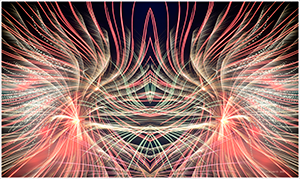
It is that time of year again – everyone is getting ready for 4th of July celebrations, and a summer of fireworks! For many, viewing fireworks is a summer tradition. With a few helpful tips, you can be on your way to having a great time photographing fireworks this summer season. Continue reading below for Alan’s Guide to Fireworks Photography and where to see fireworks in Bergen county this year!
Our latest webinar on Fireworks Photography was recorded and is available to watch. Please stop in or call with any questions.
NJ.com also published a list of 200 celebrations all around New Jersey – here
Alan’s Guide: How to Shoot Fireworks
- Use the bulb setting available in manual (M), see tip 17 for the finale’!
- Use a low ISO 100-200
- No long exposure noise reduction, high ISO NR can stay on, but it’s not needed
- F8-F11
- Use auto white balance
- No mirror lock up
- Use infinity focus, switch to manual focus, tape the lens focus ring @ infinity. Some lenses are not marked. Test focus in manual at farthest subject your lens can resolve sharply.
- O D lighting or auto lighting optimizer, these control contrast and brightness.
- Vivid color mode, leave saturation at normal, landscape (picture style) for Canon uses.
- IS-VR off, since you will be on a tripod.
- Metering: use matrix or evaluative
- Note: you will not have to meter anything for shooting (F11, ISO 100, bulb = done)
- Tripod, short zoom lens 18-70mm, 24-70mm, 18-105mm and a cable release (no need to lock)
- Tripod will possibly need to be repositioned (tilted etc) once the show starts. I’ll shoot vertical more often than horizontal.
- Vary zoom length for composition
- Fire the shutter (with a cable release) hold rather than lock. Hold for multiple bursts 2-8 or maybe more. Check the monitor, exposures should average 2-4 or 4-7 seconds, and can even be as long as 8-15 seconds. Disregard the histogram.
- Finale’ shots need to happen quickly in manual mode, burst or continuous 1 second, ½ second, ¼ second, 1/8 second, 1/10 second, 1/25 second, 1/30 second. These shorts can be blown out if taken for longer time periods (such as with bulb). Still maintain the F number 8-11.
- JPEGS or Raw? Raw is not necessary unless you feel a need to recover highlights. Shoot JPEG or raw together, or JPEG alone. Use a fast card for recovery of write speed times. Raw will offer a bit more color information too.
- Bring extra cards, batteries, and a mini flashlight. The show may be 30 minutes to an hour long. Be careful about inserting memory cards in the dark.
- Add an element of scenic interest in your picture. Bridges, skylines, crowds, etc
Where to See Fireworks in Bergen County:
Friday, July 1
Ramsey Independence Day Fireworks and Celebration at Finch Park
Lyndhurst Fourth of July Celebration & Fireworks Display
Ridgefield Independence Day Celebration
Saturday, July 2nd
Rutherford Fireworks at Memorial Field New Milford Fireworks at LeBarbera Field
Maywood Fireworks at Memorial Park (Parade on Monday July 4th) Fair Lawn Fireworks at Memorial Park (Rain date July 9th)
Sunday, July 3rd
Paramus Fireworks Cliff Gennarelli-Paramus Sports-Plex (Parade on Monday July 4th)
Fireworks at State Fair Meadowlands in East Rutherford
Oradell Fireworks at Memorial Field (Parade and Beer Garden on Monday July 4th)
Monday, July 4th
Ridgewood Fireworks, Parade and Flag Raising Ceremony
River Edge July 4th Parade and Family Fair Glen Rock 4th of July Parade
Fireworks at State Fair Meadowlands in East Rutherford
Teaneck 4th of July Parade
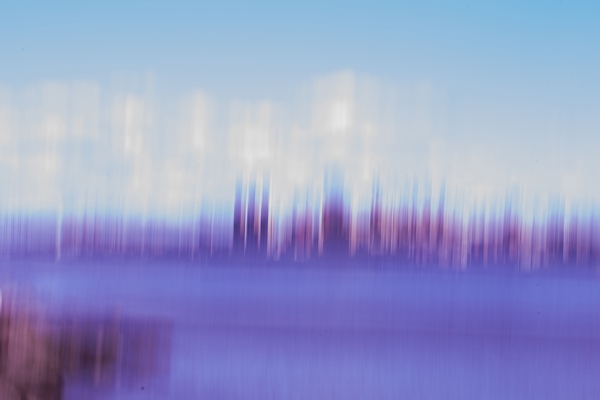
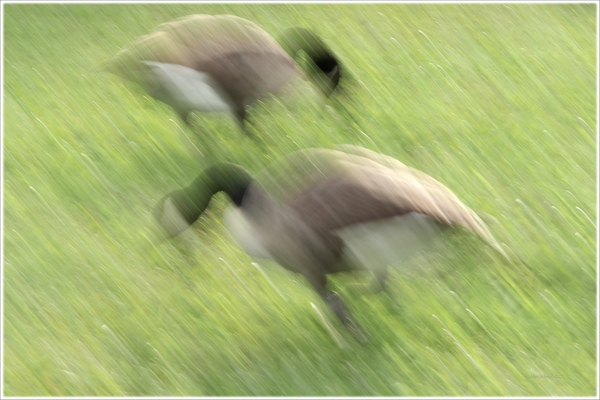
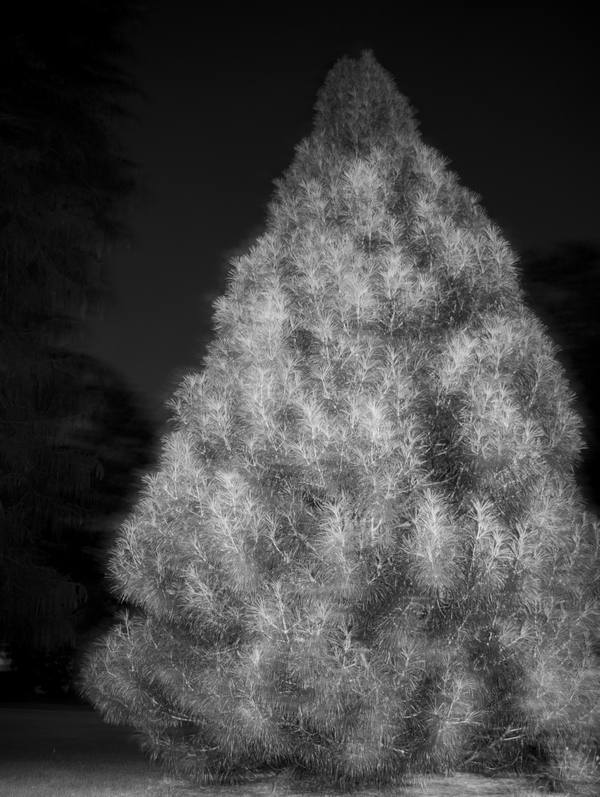
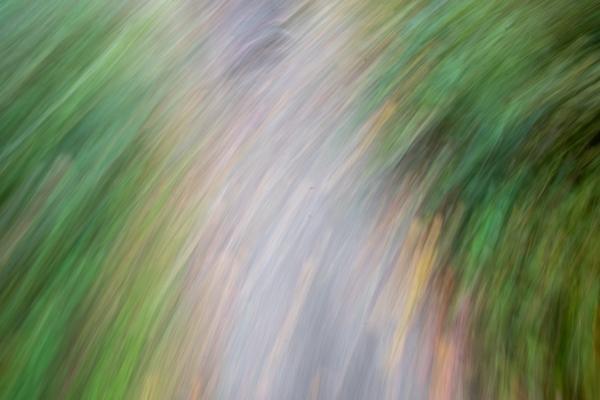
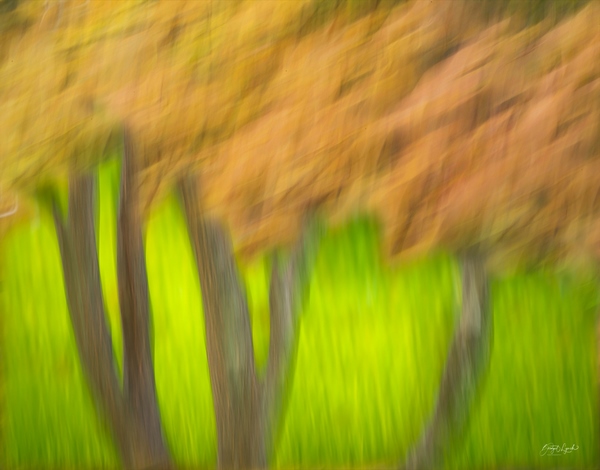
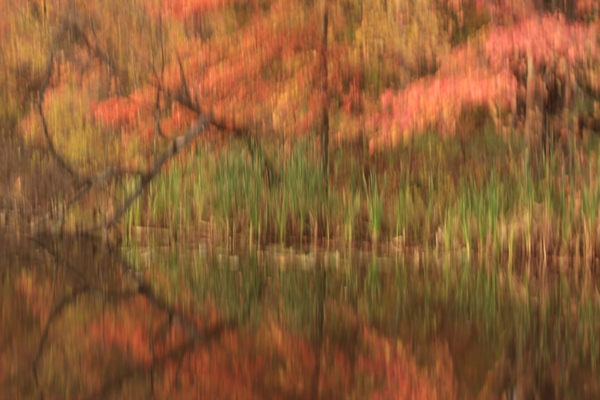
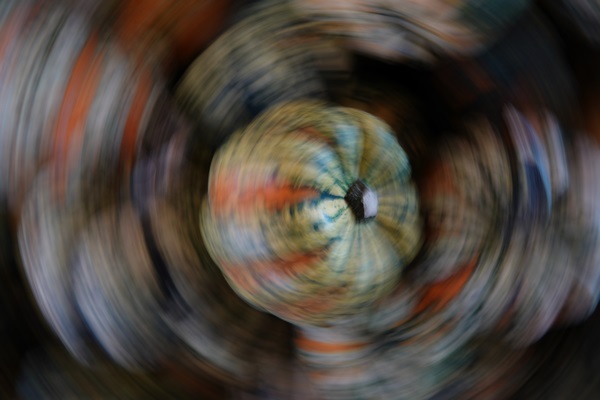
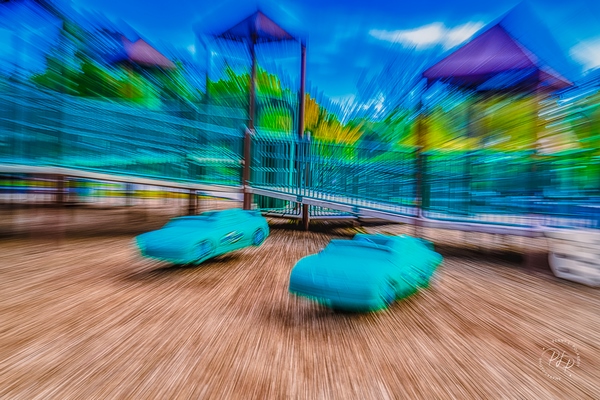
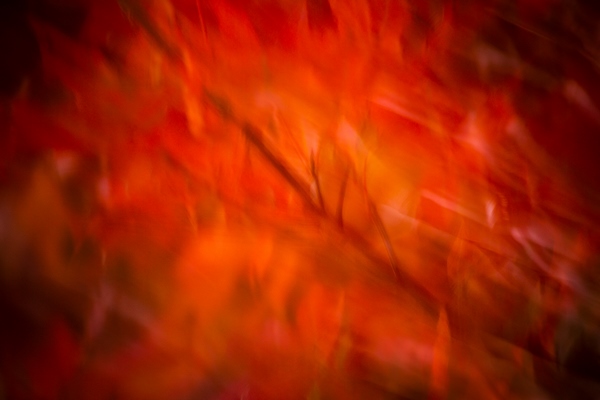
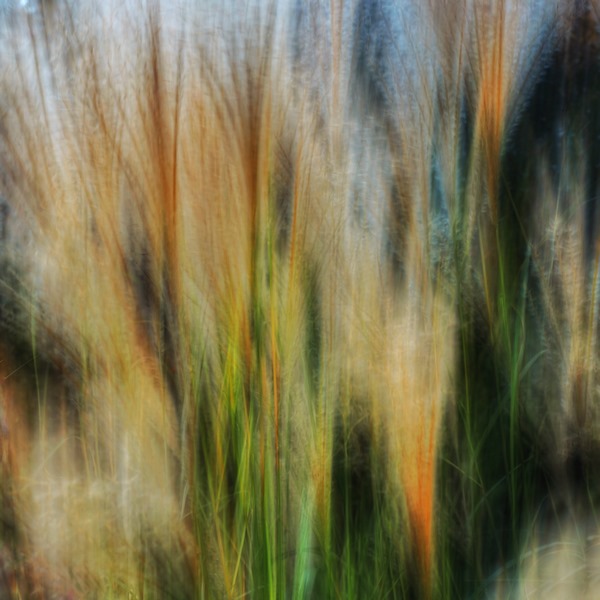
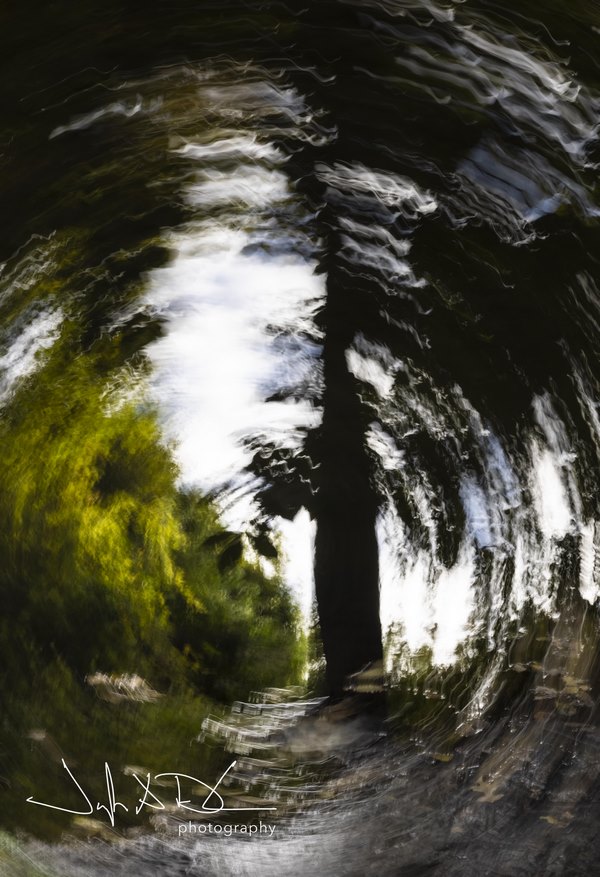
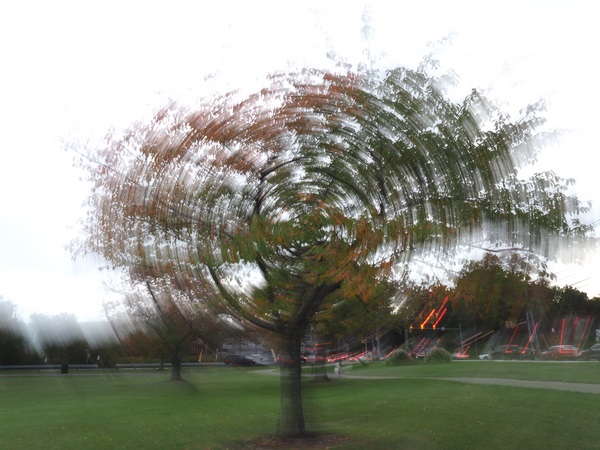
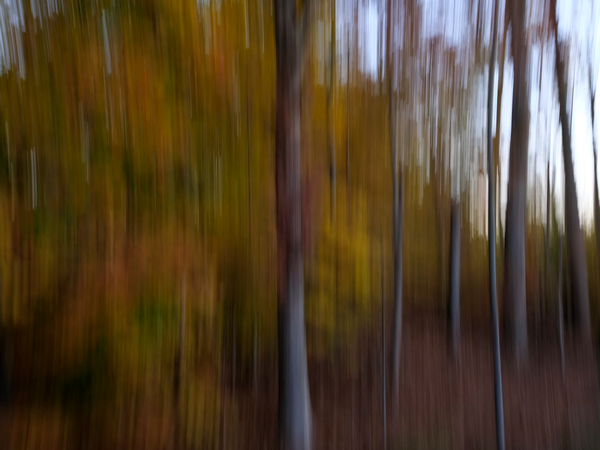
Intentional Camera Movement Assignment
Intentional Camera Movement Assignment – For a look at the instructions used for this assignment you can watch this video
Our latest assignment is Shadows and Silhouettes and is due on December 28th at 5pm. If you would like to participate, please email your image (minimum 1920×1080 pixel) to focus@bergencountycamera.com Please send only your ONE best image. We will have full review live on January 8th, 2022. Sign up here. When signing up please be sure you are not blocking cookies as this will block the 3rd party registration process.
We hope you enjoy browsing through the submissions from our Intentional Camera Movement Assignment. Special thanks to everyone that joined us!

















Saturday Morning Focus Sessions
All of our Focus Sessions are currently being offered online – and are free to attend!
Check out Summit for our current offerings and registration
This Saturday’s Focus Session – Bergen County Horse Rescue

Current Schedule:
July 25 – Bergen County Horse Rescue with Paul Carretta and Jennifer White
August 1 – TBA
August 8 – Jim Wright – Every Picture Tells a Story — More details on Summit
August 15 – TBA
August 22 – Nancy Panicucci-Roma
Portrait Tips from a BCC Pro!
What is the key to great Backgrounds for Portraits?

What is the key to great backgrounds for portraits you ask? Honestly its pretty simple! The key is “less is more” and to “keep it simple”. With Portraits you want to have as few distractions from the background as possible. When you have distractions and a bunch of clutter behind your subject it will take away from the photo rather than adding to it. To make a strong portrait you do not want to distract the viewer and take away the focus on your subject. So try placing your subject on a simple, uncluttered background from the start. If that is not possible. I would suggest to either remove as much as you can from the background. Or if you are outside try to position yourself and angle your camera in different angles so you do not get random people walking in the background and so forth. Another thing that helps when you are shooting around other people outside is to shoot with a telephoto/prime lens that has a fast aperture. That will help compress and completely blur out anyone or anything in the background. So lets recap! The key to great backgrounds is “less is more” and “keep it simple”. This will immensely help your chances of getting “the shot”. Which we all love getting! Keep shooting and stay safe.
Till next time..
All my best,
Jeremy Lebled – Bergen County Camera Specialist
Camera Tips from a BCC Pro: Couples Portraits
Have you been struggling posing Couples? Try this technique!

Have you been struggling posing couples? Try this technique! When you pose a couple. You should always tell them to get in nice and close to each other. But when doing this most of the time, they almost always never get close enough to look “close”. There is usually always a little gap in between them where her head is not fully resting on his shoulder. Or there is a gap when their heads should be touching and so forth. I am sure if you go and look through your photos of past shoots you can find a few photos where you wished they were closer together. Luckily I have a quick fix for those issues! Next time you are posing a couple. Take a photo after you tell them to “get closer, get closer” and they move just a few inches but you still see a gap. Then take your camera right over to them and show them the gap on the back of your LCD monitor. Once they see the gap and realize how big the gap actually is when they thought they were already super close. They will instantly get in real close to one another and it literally will makes the entire shot for you. I can’t tell you how many times I have done this over and over and it always works fantastic. Now go out and give it a try! Let us see your images! We would love to see.
Till next time…
All my best,
Jeremy Lebled – Bergen County Camera Specialist
Alan’s Guide to Shooting Fireworks
How to Shoot Fireworks
- Use the bulb setting available in manual (M), see tip 17 for the finale’!
- Use a low ISO 100-200
- No long exposure noise reduction, high ISO NR can stay on, but it’s not needed
- F8-F11
- Use auto white balance
- No mirror lock up
- Use infinity focus, switch to manual focus, tape the lens focus ring @ infinity. Some lenses are not marked. Test focus in manual at farthest subject your lens can resolve sharply.
- O D lighting or auto lighting optimizer, these control contrast and brightness.
- Vivid color mode, leave saturation at normal, landscape (picture style) for Canon uses.
- IS-VR off, since you will be on a tripod.
- Metering: use matrix or evaluative
- Note: you will not have to meter anything for shooting (F11, ISO 100, bulb = done)
- Tripod, short zoom lens 18-70mm, 24-70mm, 18-105mm and a cable release (no need to lock)
- Tripod will possibly need to be repositioned (tilted etc) once the show starts. I’ll shoot vertical more often than horizontal.
- Vary zoom length for composition
- Fire the shutter (with a cable release) hold rather than lock. Hold for multiple bursts 2-8 or maybe more. Check the monitor, exposures should average 2-4 or 4-7 seconds, and can even be as long as 8-15 seconds. Disregard the histogram.
- Finale’ shots need to happen quickly in manual mode, burst or continuous 1 second, ½ second, ¼ second, 1/8 second, 1/10 second, 1/25 second, 1/30 second. These shorts can be blown out if taken for longer time periods (such as with bulb). Still maintain the F number 8-11.
- JPEGS or Raw? Raw is not necessary unless you feel a need to recover highlights. Shoot JPEG or raw together, or JPEG alone. Use a fast card for recovery of write speed times. Raw will offer a bit more color information too.
- Bring extra cards, batteries, and a mini flashlight. The show may be 30 minutes to an hour long. Be careful about inserting memory cards in the dark.
- Add an element of scenic interest in your picture. Bridges, skylines, crowds, etc